
Every day, millions of Americans spend a significant portion of their time in transit. Whether it’s riding the subway, sitting on a bus, or catching an Uber, commuters have found unique ways to make these daily journeys more enjoyable. Many adults now incorporate video games into their daily lives, using commutes as an opportunity for entertainment and relaxation, which may help alleviate mental health issues. One of the most fascinating trends to emerge in recent years is commuter gaming psychology—the study of how and why people play games during their daily travels.
Among the many mobile game categories, social casinos—a form of video games popular among adults—have carved out a particularly strong niche. Unlike traditional gambling, social casinos let players enjoy the thrill of slots, poker, and bingo without risking real money. This makes them an ideal fit for the modern commuter lifestyle, where entertainment needs to be accessible, engaging, and low-stress.
Gaming has become an integral part of a commuter’s life, seamlessly fitting into daily routines and impacting how individuals experience and manage their time in transit. It not only provides entertainment but also shapes personal experiences and habits during commutes, with platforms like Sweepstakes Casino Sixty6 highlighting how casual play can turn idle travel time into engaging and rewarding moments.
This article delves into why social casino games resonate so strongly with U.S. commuters, examining the psychology behind this phenomenon and its implications for the future of mobile entertainment. Understanding commuter gaming psychology is relevant not only for commuters seeking meaningful engagement but also for the broader gaming industry, which aims to meet the needs of this growing audience, particularly in terms of mental health and wellness.
What Is Commuter Gaming?
Commuter gaming refers to the practice of playing mobile games during daily travel to work, school, or other routine destinations. Many commuters have played games during their morning commute as a way to start the day. The rise of smartphones and high-speed mobile networks has turned commutes into prime opportunities for entertainment, and games are now at the forefront of this trend.
From waiting at bus stops to enduring long train rides, commuters turn to mobile games as a convenient way to pass the time, relieve stress, enjoy quick bursts of fun, and enhance social interaction. Ride-share services and even carpools contribute to this shift, providing more people with downtime in which mobile entertainment fits perfectly. The popularity of playing video games as a commuting activity continues to grow, reflecting the increasing integration of gaming into daily routines.
For many, commuter gaming can help maintain or rekindle interest in daily routines, especially when other activities may feel monotonous or unengaging. This renewed interest can be particularly valuable during periods of stress or when motivation for different activities is low.
Some of the most common commuter-friendly game types, representing different forms of mobile entertainment, include:
- Puzzle games – Sudoku, match-three titles, and crosswords.
- Social casinos – Slots, blackjack, poker, and bingo apps.
- Casual mobile titles – Endless runners, trivia games, and idle clickers.
Social casinos, in particular, stand out because they combine the thrill of chance with a low barrier to entry, making them perfect for commuters seeking entertainment on the go.
The Psychology Behind Commuter Gaming
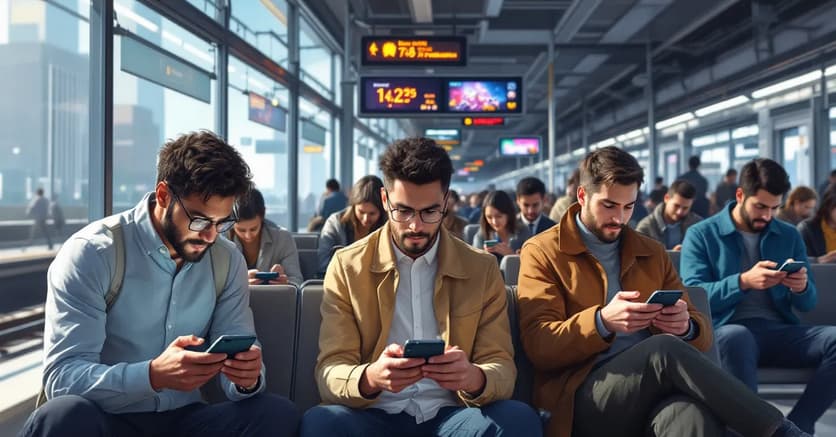
For commuters, gaming is more than just a way to pass time—it taps into key psychological mechanisms that make travel more enjoyable and less stressful. Commuter gaming can also support overall well-being by providing a positive emotional outlet during daily routines.
Short, engaging game sessions fit neatly into unpredictable travel schedules. Whether a bus ride lasts 15 minutes or a train is delayed, commuters can dip in and out of a game without losing progress or commitment. This flexibility aligns with the fast-paced, fragmented nature of commuting. It brings feelings of joy and other emotions, such as excitement or relief, that help make the journey more pleasant.
Another major factor is instant gratification. Mobile games, especially social casinos, deliver quick rewards through spins, matches, or wins. These moments trigger the release of dopamine, providing players with a small but satisfying mental boost during otherwise dull or stressful commutes. Taking a moment to play can offer much-needed mental rest and an emotional reset, helping commuters manage stress and maintain focus for the rest of their day.
Lastly, gaming provides a healthy distraction. Instead of focusing on crowded trains, traffic, or delays, commuters immerse themselves in stimulating gameplay, turning an inconvenience into an opportunity for entertainment.
Habit Formation and Routine
One of the strongest psychological drivers of commuter gaming is the formation of habit. Because commutes happen daily, they naturally create opportunities to build a routine. Many commuters may spend several hours each week playing games during their travel, reinforcing the development of gaming habits. This phenomenon, often referred to as habit stacking, means that players begin associating their travel time with playing specific games.
Over time, this routine becomes automatic—just like grabbing a morning coffee. Social casino apps thrive in this environment, offering a reliable and familiar source of entertainment that commuters can look forward to every day.
Social Connection and Competition
Gaming isn’t just about distraction; it’s also about connection. Many commuters yearn for a sense of community, and multiplayer or social features in mobile games offer exactly that. Team-based games, in particular, foster collaboration and communication among commuters, encouraging them to work together toward shared goals.
Social casinos, for instance, often feature leaderboards, friend challenges, and chat functions, enabling players to share wins or compete against one another. These games help commuters connect with friends and colleagues, enhancing social interaction and making the commute more enjoyable. Such gaming experiences can strengthen relationships and provide a sense of community, turning an otherwise solitary commute into a socially interactive experience. The competitive element also keeps players engaged, making the games feel fresh and rewarding day after day.
Why Social Casinos Work So Well for Commuters
Among all commuter mobile games, social casinos have achieved remarkable success. Their popularity stems from a blend of accessibility, variety, and psychological appeal. The importance of simple rules in social casino games makes them accessible to a broad audience, including adults, allowing players to quickly understand and enjoy the experience.
First, social casinos are incredibly easy to play. Unlike strategy-heavy games, they don’t require tutorials or complex controls. This makes them perfect for commuters who want to dive straight into entertainment without mental effort. The difference between social casinos and other game types lies in their shorter session length and lower complexity, making them ideal for quick play during commutes.
Second, they offer a wide variety of quick-session games. From spinning slot reels to trying a round of blackjack, players can enjoy multiple types of experiences in just a few minutes. This variety keeps gameplay fresh while fitting into short travel windows. The thrill of beating the odds or achieving a big win adds to the excitement, while story elements in some social casino games enhance engagement and emotional connection.
Ultimately, the most significant factor is the combination of low risk and high thrill. Since no real money is involved, players experience the excitement of chance and reward without financial pressure. This makes social casinos especially attractive for stress-free entertainment. However, it is important to recognize the risks associated with excessive play, even in low-stakes environments. The crucial role of psychological appeal in the success of social casinos cannot be overstated, as it keeps players coming back for more.
Cognitive Benefits of Social Casino Gaming
While often dismissed as “mindless,” social casino gaming can provide cognitive benefits. Repeated exposure to card games, slot patterns, and bingo numbers can:
- Enhance focus by requiring attention to detail.
- Improve pattern recognition through repeated exposure to symbols and sequences.
- Support decision-making skills in games like poker or blackjack.
- Improve cognitive ability and skill by challenging players to adapt strategies and regulate emotions under pressure.
Through repeated play and decision-making, players gain valuable knowledge about probability, strategy, and self-regulation. These cognitive benefits can manifest as improved attention, memory, or strategic thinking.
These benefits offer commuters light but meaningful mental stimulation, keeping the brain engaged without overwhelming it.
Emotional Rewards and Escapism

Social casinos also succeed on an emotional level. Stories within games provide emotional support and engagement, helping players cope with stress and loneliness, especially during challenging times. The concept of near wins—coming close to hitting a jackpot—encourages continuous play by tapping into players’ optimism. This psychological effect maintains high engagement, even in brief sessions.
Beyond mechanics, the emotional reward of winning—even virtually—creates a sense of accomplishment. Social casinos create a virtual world that offers escapism, allowing commuters to immerse themselves in a different environment and temporarily set aside their daily worries. These experiences come in various forms, from quick games to more involved sessions, each providing unique ways to relax and recharge. Engaging with games during commutes can also contribute to personal growth by offering new perspectives or coping strategies, making the journey more meaningful. Combined with the escapism factor, social casinos allow commuters to step away from daily stress and create a mini “vacation” during their journey.
Case Study: U.S. Commuter Gaming Trends
The American commuter landscape highlights the growing relevance of commuter gaming psychology. Recent research and review articles on commuter gaming trends have shown that more than 60% of commuters report playing games on their phones at least once a week. Of these, a significant portion engage with social casino apps. Studies emphasize the importance of rigorous research practices and comprehensive data review in understanding these trends.
The rise of titles like Slotomania, Bingo Blitz, and Zynga Poker demonstrates how social casinos dominate app charts in the U.S. For instance, most people integrate gaming into their lives by playing quick sessions during their commute, which helps them relax and transition between work and home. Commuter gaming can positively impact personal lives by providing a means to cope with daily challenges, such as stress or social isolation. However, there is also the potential for excessive gaming, which can impact adults and gamers by leading to negative mental and physical health outcomes if not moderated.
Here’s a quick comparison:
| Game Type | Average Session Length | Commuter Suitability |
|---|---|---|
| Puzzle Games | 5–10 minutes | High |
| Social Casinos | 3–8 minutes | Very High |
| Casual Mobile Titles | 5–15 minutes | Medium to High |
| Traditional Console Gaming | 20–60+ minutes | Low |
The table highlights why social casinos shine for commuters—they perfectly match the short, flexible play style demanded by daily travel routines. The commuter gaming market continues to grow and evolve, reflecting the changing habits and needs of adults and gamers across the nation.
The Future of Commuter Gaming Psychology
Looking ahead, commuter gaming psychology is expected to continue evolving as technology advances. Some commuters may aspire to lead at high levels of competitive gaming, participating in tournaments for popular eSports titles such as Counter-Strike: Global Offensive. Virtual reality (VR) and augmented reality (AR) are expected to enhance mobile entertainment, providing immersive experiences even in small spaces, such as buses or trains.
The ability to watch live esports events or streams during commutes will enhance real-time engagement and excitement for commuters, setting live coverage apart from recorded content.
The rollout of 5G and faster mobile networks is also key. With reduced lag and smoother streaming, cloud-based gaming services will become more accessible, allowing commuters to play high-quality titles anywhere. Media will play a significant role in shaping the future of commuter gaming, influencing how players connect, compete, and engage with gaming communities.
For social casinos, the next step is AI-driven personalization. Future apps may adapt difficulty levels, themes, and rewards based on individual player preferences, making games even more engaging and tailored to commuter lifestyles.
For more information and resources on commuter gaming psychology, visit our website.
FAQ
Q1: What makes commuter gaming different from regular mobile gaming? Commuter gaming psychology focuses on short, repetitive play during travel routines. Unlike traditional mobile gaming, it emphasizes convenience and accessibility, making games like social casinos especially ideal.
Q2: Why are social casino games popular with U.S. commuters? They provide quick, low-pressure entertainment that feels rewarding without financial risk. The variety of slots, card games, and bingo keeps gameplay fresh and enjoyable.
Q3: Can commuter gaming improve mental health? Yes—when balanced, it can reduce stress, improve mood, and make commutes more enjoyable by turning idle travel time into engaging entertainment. However, the impact can vary from person to person, depending on individual psychological needs and coping strategies.
Q4: Are social casinos addictive? They use reward mechanics that can be habit-forming. However, since they don’t involve real-money gambling, the risk of financial harm is significantly lower compared to traditional casinos.
Conclusion
Commuter gaming psychology reveals how travel time has evolved into prime entertainment time, with social casinos emerging as a perfect fit for this new trend. Their accessibility, variety, and balance of cognitive and emotional rewards make them uniquely appealing to U.S. commuters.
By combining habit formation, social connection, and the thrill of chance without financial risk, social casinos have become an integral part of the commuter lifestyle.
Next time you’re on the bus, train, or in a ride-share, consider how your gaming habits align with these trends—and explore safe, enjoyable mobile options that make every commute more rewarding. For a deeper perspective, check out this research on the psychology of social casino gaming.