Sydney is the capital of the Australian state of New South Wales, the largest and oldest city in Australia, with a population of over 5 million people.
Sydney has a well-developed transport infrastructure. Major roads are connected by 10 highways (Metroads), which include the 110-kilometer Sydney Orbital Network. The metropolis has a well-developed public transport network of bus routes, taxis, and trains. Passenger ferries operate in Sydney Harbour and on the Parramatta River, which flows into the harbour.
There is also a well-developed railway network, which is 2,080 km long, with 306 stations open to passengers, and trains running in tunnels in the central and eastern parts of the metropolis.
There are no trams in Sydney in the usual sense of the word—the network was abolished in 1961, but in 1997, a new high-speed Metro Light Rail route was opened. In 2000 and 2014, it was extended and now connects Central Station and the Dulwich Hill district. The route is 12.8 km long and has 23 stations.
Sydney Metro
The Sydney Metro is Australia’s largest public transport system and the continent’s first metro system. Its first phase, consisting of 13 stations, opened on May 26, 2019. It is operated by the Sydney Metro Agency, part of Transport for NSW, a New South Wales government agency that owns the Opal contactless payment system, which has also been implemented in the metro. For passenger safety, sliding platform doors have been installed at all stations.
On May 26, 2019, the country’s first and only metro system opened in Sydney. The system includes one line with a length of 36 km and 13 stations. The route connects the suburbs of Rose Hill and Chatswood, as well as Sydney’s business center and port area.
By 2024, 31 metro stations will be opened in Sydney and over 66 km of the network will be built, which will significantly improve connections between urban areas.
It is expected that by 2030, the Sydney Metro network will be expanded to include 46 stations and over 113 km of track.
Lines and stations
Currently, there is one line, North West, with trains running from station to station in Chatswood.
Rolling stock
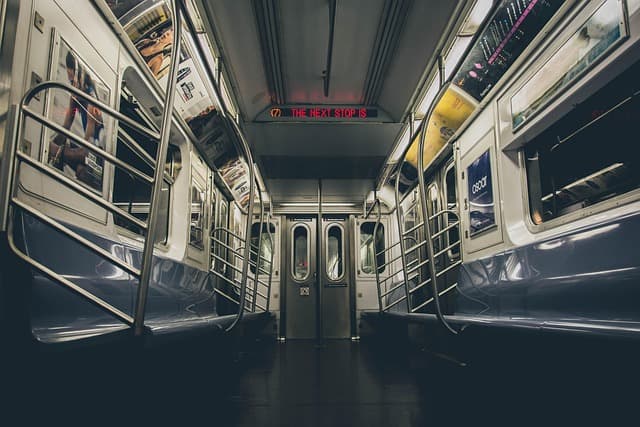
Twenty-two six-car Alstom Metropolis trains are used to transport passengers. Each car has three pairs of doors on each side. In a six-car configuration, each train has 378 seats and a total capacity of 1,100 passengers.
Fare
From January 2, 2012, the single fare for a bus ride in the central part of the city (Multi-1 zone) is AUD 3.5 (AUD 6.1 for a round trip) for adults and AUD 1.7 and AUD 3 for children, respectively. A weekly ticket in the same zone for all types of transport (bus, train, ferry) costs AUD 43 and AUD 21.5, respectively, for a day pass with unlimited travel.
In December 2012, the paper ticket system was abolished, and ticket vending machines were dismantled at the end of 2016. The new contactless travel card system covers all modes of transport.
Accessible environment
The metro is a new generation of fast, safe, and reliable world-class trains that will easily take passengers to their destination. Technology allows passengers to stay connected at all stages of their journey: when planning their trip using travel apps on their smartphones, when searching for real-time travel information at metro stations and on trains, and when accessing information on other modes of public transport. This approach can increase the efficiency of residents and visitors to the metropolis in carrying out their daily tasks, whether it be work, education, sports, leisure, and, of course, returning home.
Plans for the future
When the Sydney Metro is extended to the Central Business District (CBD) and beyond in 2024. The line will run from Sydney’s rapidly developing North West region to the south-west, passing under Sydney Harbour via new metro stations in the CBD.
Trains will run every two minutes, providing an unprecedented level of service in Sydney. The planned capacity of the new Sydney underground railway will be approximately 40,000 passengers per hour.
The Sydney Metro, together with the modernization of the signaling and infrastructure of Sydney’s existing rail network, will increase the capacity of trains entering Sydney’s central business district from approximately 120 per hour today to 200 per hour after 2024. This will enable the network’s capacity to meet the demand for transport services.
The new 23 km railway will connect residential areas with employment centers, including the new Aerotropolis, and will link the new airport with the rest of Sydney’s public transport system.
The project to develop a satellite city from St Mary’s to the new airport and Western Sydney Aerotropolis will be an important economic stimulus for western Sydney, creating more than 14,000 jobs for New South Wales and the national economy.